

Binghatti Dubai residential developments have become a familiar name in the city’s modern housing landscape, known for distinctive architecture, practical apartment planning, and communities designed around everyday livability. In a market where many towers can feel visually similar, Binghatti’s residential approach stands out through a recognizable design language—bold façades, structured geometry, and balcony-forward elevations—paired with homes that aim to support real routines, not just showroom aesthetics.
This blog is a professional, pricing-free overview of what defines Binghatti’s residential developments in Dubai, what residents typically experience in these communities, and how to evaluate a Binghatti home if you’re considering one for lifestyle or long-term use.
What Makes Binghatti’s Residential Developments Different in Dubai
Dubai’s residential market moves fast, and new buildings enter the skyline constantly. What helps certain developers remain memorable is not only location, but also brand consistency and livable planning. Binghatti projects are often recognized for:
- A strong and repeatable architectural identity
- Emphasis on functional layouts and usable space
- Community-focused amenities aligned with modern lifestyles
- Buildings planned to fit into fast-growing urban districts
The result is a portfolio of residential developments that feel modern, visually bold, and oriented toward daily convenience.
Architectural Identity and Signature Design Language
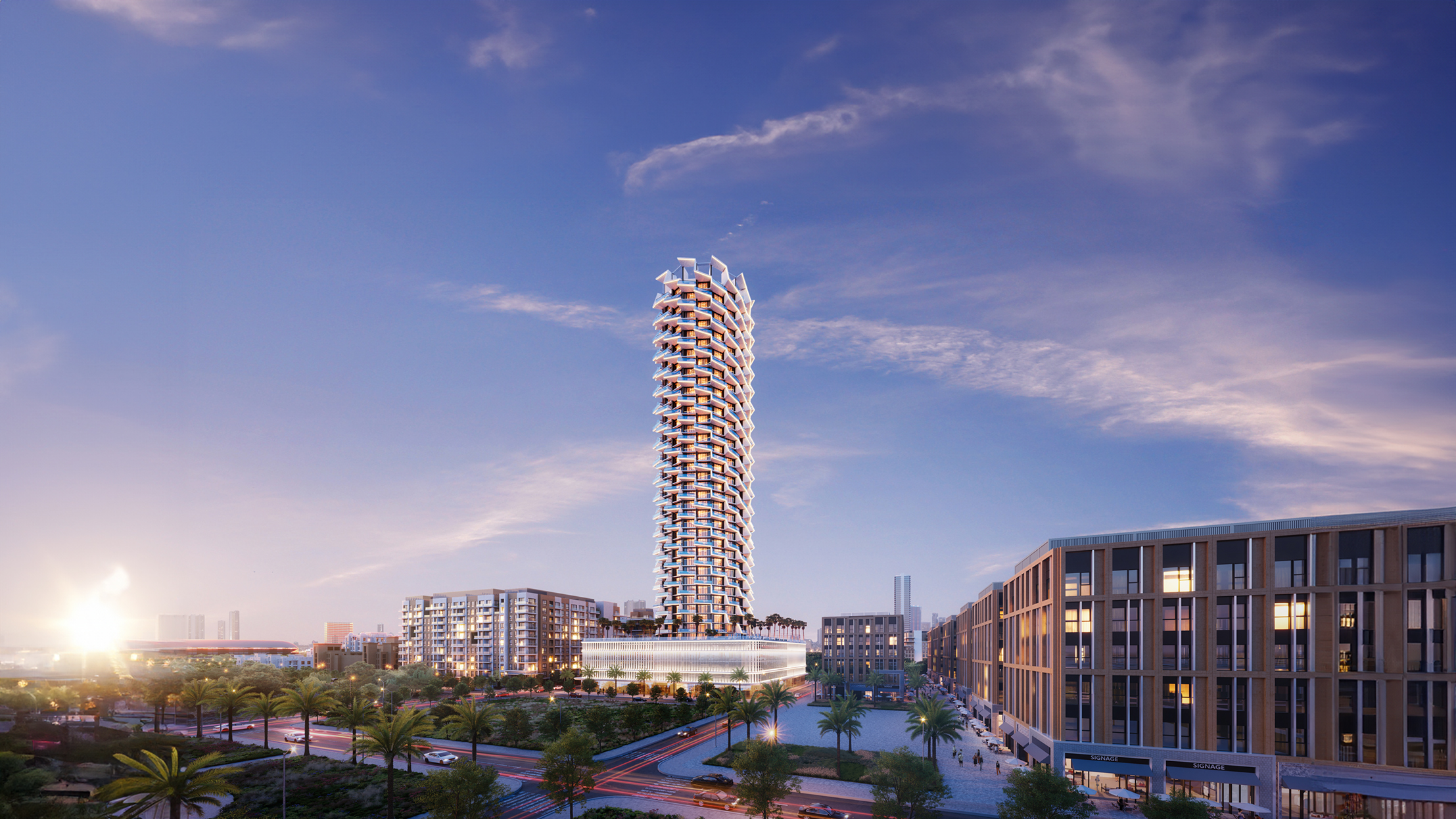
A defining feature of Binghatti Dubai residential developments is architectural presence. The exteriors often use strong patterns, repeated forms, and structured balcony lines that create a “signature look” across multiple buildings. This is not only for visual impact; it can also support practical comfort by improving shading, encouraging airflow, and offering private outdoor space.
Common design characteristics often seen in these developments include:
- Geometric façade composition with repeating rhythm
- Deep, functional balconies that act as outdoor extensions
- Strong contrast lines that give towers a distinctive silhouette
- A modern, urban feel that complements Dubai’s skyline growth
For buyers and residents who value design personality, this signature architecture can be an important differentiator compared to more generic glass towers.
Apartment Planning That Prioritizes Everyday Living
Beyond the façade, what often matters most is how the home functions day-to-day. Binghatti residential developments typically emphasize efficient space use—layouts designed to feel open, reduce awkward corners, and support furniture planning without wasting square footage.
While layouts vary by project, many residents look for:
- Clear zoning between living and sleeping areas
- Practical kitchen placement and storage planning
- Bedrooms designed for privacy and comfort
- Windows positioned to maximize daylight and view lines
- Balconies that are usable, not decorative
In Dubai, where apartments are often chosen for both living and rental flexibility, functional planning can improve long-term satisfaction and make spaces easier to adapt over time.
A Range of Residential Options for Different Lifestyles
Binghatti Dubai residential developments typically serve multiple resident profiles—from single professionals who want a well-connected city base to families seeking more structured community living. Depending on the development, options may include compact city apartments, more spacious family-oriented layouts, and residences with larger balconies or view-facing living rooms.
People often choose Binghatti residences when they want:
- A modern home with contemporary design
- A building with recognizable architectural identity
- Residential amenities that support an active routine
- A location that stays connected to daily essentials
The key is to evaluate each building individually—because location, unit orientation, and internal layout can change the entire living experience even within the same developer portfolio.
Amenity Planning That Supports Modern Routines
Amenities are a major part of Dubai’s residential decision-making. In well-planned residential developments, amenities feel useful and integrated rather than excessive. Binghatti developments often prioritize lifestyle essentials—spaces that help residents work out, unwind, and maintain a balanced routine without leaving the building.
Typical amenities in modern residential towers may include:
- Fitness facilities designed for regular use
- Swimming pool areas for relaxation and recreation
- Family-friendly zones such as play areas or open terraces
- Secure lobbies and controlled access points
- Parking solutions planned around convenience
The most important evaluation point is usability: how accessible the amenities are, how well they are maintained, and whether they fit your daily lifestyle patterns.
Community Integration and Urban Convenience
A strong residential experience is not only about the unit; it’s also about what surrounds the building. Many Binghatti Dubai residential developments are positioned in districts that support urban living—where retail, dining, and everyday services are accessible and where road connectivity helps reduce commuting stress.
For residents, strong community integration means:
- Easier access to groceries, cafés, and daily shopping
- Better lifestyle flow for work and social routines
- More stable long-term appeal as districts mature
- A sense of “living inside a neighborhood,” not just inside a tower
When assessing a building, it helps to look beyond the structure and understand the surrounding street activity, noise levels, walkability, and the long-term development plan of the wider area.
Interior Look, Materials, and Finishing Approach
In any residential development, finishing quality affects both comfort and long-term maintenance. Modern Binghatti residences typically align with contemporary interior trends—clean surfaces, modern color palettes, and efficient cabinetry solutions.
What matters most is not the style itself, but how well it performs over time. When evaluating any unit, consider:
- Kitchen storage practicality and countertop usability
- Flooring durability and maintenance requirements
- Bathroom layout efficiency and ventilation quality
- Door, window, and balcony finish performance
- Noise levels and overall comfort inside the unit
A residential tower can look premium in photos, but real value comes from how comfortable it feels during daily life.
Practical Sustainability and Climate-Responsive Design
Sustainability in Dubai’s residential sector is increasingly tied to practical performance—thermal comfort, reduced heat exposure, and efficient building operations. Many modern residential towers incorporate design decisions that support better comfort in Dubai’s climate.
Climate-responsive features can include:
- Balcony shading that reduces direct sunlight into interiors
- Building orientation that improves heat management
- Efficient lighting solutions in common areas
- Materials chosen for durability in hot-weather conditions
- Operational planning that supports efficient maintenance
Even small improvements in shading and airflow can significantly affect living comfort, especially during warmer months.
Smart Living Expectations in New Residential Towers
Modern Dubai residents increasingly expect smart-ready infrastructure—whether that means easier connectivity, modern security systems, or app-enabled building access. While the level of technology varies by development, many newer residential buildings focus on systems that improve everyday convenience.
Smart-living features may include:
- Secure access control systems
- Infrastructure that supports stable home connectivity
- Modern building security and monitoring approaches
- Efficient building management and service coordination
If smart living is important to you, the best approach is to check each building’s operational systems rather than assume features are identical across projects.
How to Choose the Right Binghatti Residence
Because each development differs, selecting the right home requires a structured checklist. Instead of focusing only on design or branding, consider these practical evaluation steps:
- Check unit orientation and sunlight (morning light vs. afternoon heat can change comfort)
- Evaluate balcony usability (depth, privacy, and how you’d actually use it)
- Assess the layout flow (furniture placement, kitchen practicality, storage)
- Review building amenities and access (location, crowding, maintenance)
- Understand the neighborhood feel (noise, walkability, day vs. night activity)
- Confirm parking, entry, and security (daily convenience matters long-term)
This approach helps ensure you’re choosing a home that fits your routine, not just a building that looks impressive.
The Future of Binghatti Dubai Residential Developments
Dubai’s residential market is increasingly shaped by lifestyle expectations: wellness, convenience, design identity, and community integration. Binghatti’s continued visibility in the residential segment reflects demand for developments that combine architectural personality with practical living.
Looking ahead, residential buyers and residents are expected to prioritize:
- More efficient layouts and smarter space planning
- Better community experience and daily convenience
- Stronger sustainability and climate-comfort design
- Higher expectations for building operations and maintenance
Developers that deliver consistent design, livability, and community value tend to remain relevant as Dubai’s neighborhoods mature and expand.
Conclusion
Binghatti Dubai residential developments represent a strong mix of modern architectural identity and practical living design—an approach that resonates in a city where residents increasingly want homes that feel functional, comfortable, and connected to urban convenience. If your priority is a contemporary residence with recognizable design and everyday usability, exploring Binghatti’s residential developments can be a smart step—provided you evaluate each building and unit based on layout, orientation, amenities, and the surrounding community.