

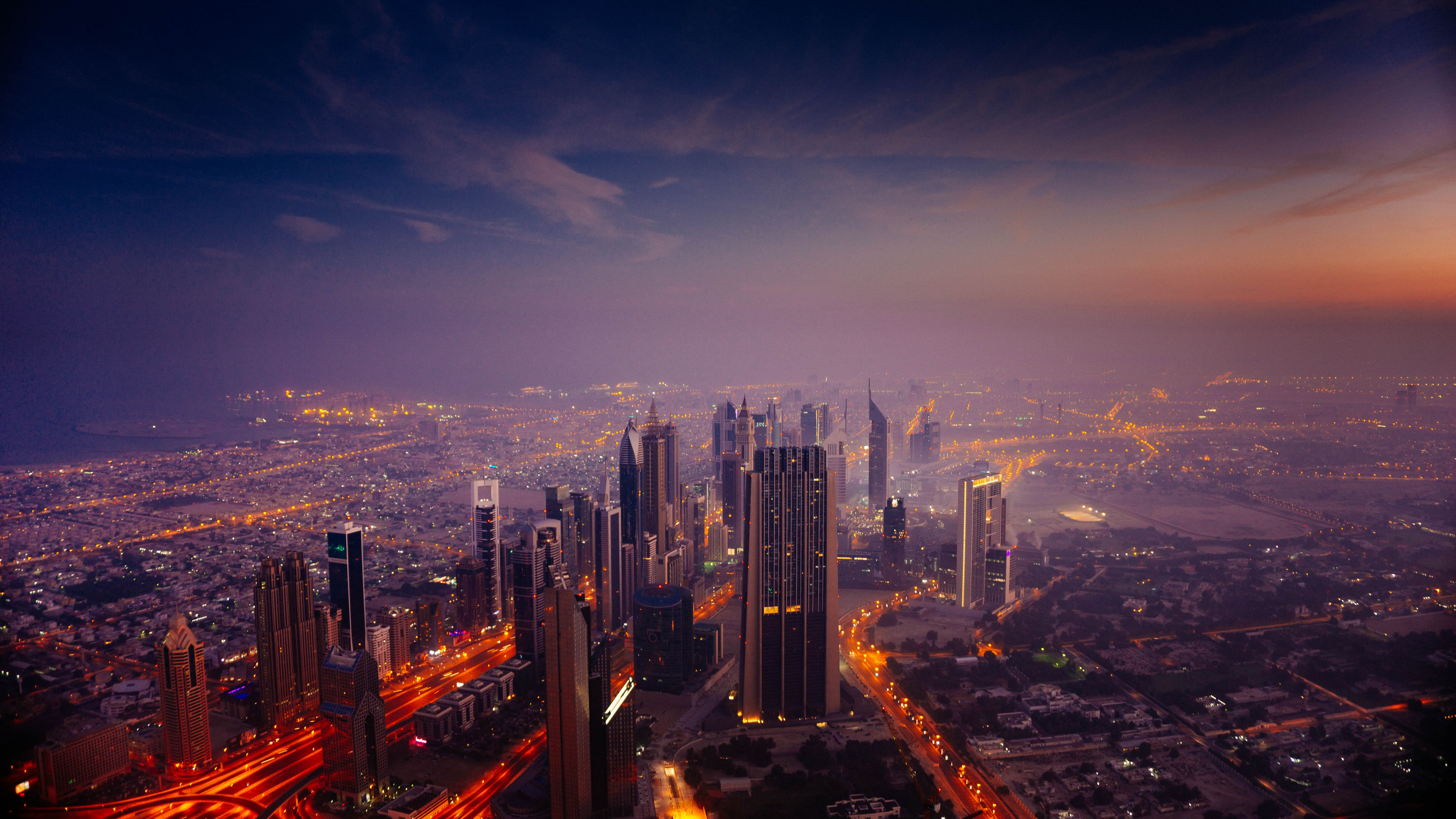
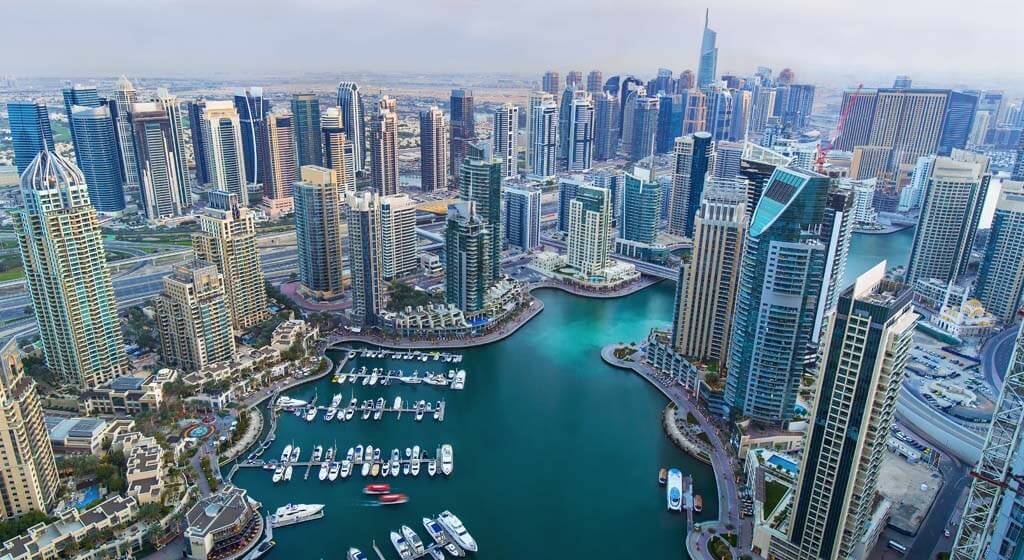
Dubai, renowned for its architectural marvels and innovation, continues to evolve as one of the world’s most dynamic real estate markets. As a leading global city, Dubai’s property developments extend beyond residential properties to include commercial hubs, luxury resorts, and mixed-use communities—all supported by world-class infrastructure and a forward-thinking vision. In this updated overview , we explore the key factors driving the market, current trends, and major projects shaping the city’s future.
Driving Factors Behind Dubai Property Developments
Dubai's real estate market remains robust, fueled by several enduring and evolving elements:
Strategic Location and Global Connectivity
Dubai’s position as a crossroads between Europe, Asia, and Africa makes it a vital gateway for trade, tourism, and business. With exceptional connectivity through major airports, seaports, and expanding infrastructure, the city attracts investors, expats, and residents worldwide.
State-of-the-Art Infrastructure
Iconic landmarks like the Burj Khalifa, Dubai Marina, and the Dubai Metro highlight Dubai’s advanced urban framework. Ongoing investments in transport, utilities, and public amenities—along with legacy projects from Expo 2020—continue to boost appeal and support long-term growth.
Pro-Growth Government Initiatives
The UAE government fosters investment through long-term visa programs (such as the Golden Visa for property purchases of AED 2 million+), economic free zones, tax advantages, and a stable regulatory environment. Visionary plans like Dubai 2040 emphasize sustainable, smart urban development, guiding the sector toward resilience and inclusivity.
Luxury Real Estate Demand
High-net-worth individuals drive demand for exclusive villas, branded residences, and penthouses. Developers like Emaar, DAMAC, and Sobha lead in creating premium communities that deliver opulent lifestyles.
Sustainability and Smart Living
New developments increasingly incorporate green spaces, renewable energy, energy-efficient designs, and smart technologies. This aligns with Dubai’s sustainability goals, with projects prioritizing eco-friendly urban planning and wellness-oriented features.
Emerging Trends in Dubai Property Developments
The market in 2026 is maturing into a more balanced phase after years of rapid growth, with these key trends prominent:
Mixed-Use Developments
Integrated communities blending residential, commercial, retail, and recreational spaces remain highly popular for their convenience and lifestyle benefits. Examples include Dubai Hills Estate, Dubai Creek Harbour, and Dubai Design District (d3).
Focus on Wellness Living
Health and well-being are central, with amenities like fitness centers, yoga spaces, outdoor trails, and natural surroundings. Communities such as Dubai Hills Estate and Creek Harbour emphasize holistic living.
Waterfront and Seafront Developments
Demand for coastal properties stays strong, with projects offering stunning views, privacy, and exclusivity. Iconic areas like Palm Jumeirah, Dubai Marina, and emerging spots like Dubai Islands continue to attract premium buyers.
Technology Integration in Homes
Smart home features—from IoT automation and advanced security to energy-efficient systems—are standard in high-end properties, appealing to tech-savvy residents seeking convenience and sustainability.
Affordable and Mid-Tier Housing Options
To accommodate population growth and diverse needs, developers provide quality homes in accessible communities like Dubai South and Al Furjan, balancing affordability with modern amenities and connectivity.
The market shows moderating price growth in 2026, supported by strong end-user demand and population inflows, though increased supply (especially in apartments) leads to more balanced conditions and stabilization in some areas—no major corrections or crashes are anticipated.
Landmark Property Developments Shaping Dubai’s Future
Several standout projects continue to define the skyline and investment landscape:
Dubai Creek Harbour
This flagship Emaar urban regeneration project creates a vibrant mixed-use community with residential, commercial, parks, cultural spaces, and retail. At its core is the Dubai Creek Tower, currently undergoing redesign. Emaar confirmed in January 2026 that a tender for the reworked concept will launch within the next three months—marking renewed progress after earlier pauses and adjustments (the tower is no longer planned to exceed Burj Khalifa's height). Residential phases continue to hand over, with the area evolving as a future waterfront downtown.
Dubai Hills Estate
A premier master-planned community at the intersection of Al Khail Road and Mohammed Bin Rashid City, offering luxury villas, townhouses, apartments, extensive green spaces, a golf course, schools, and healthcare facilities. It blends modern living with nature, remaining highly sought-after by families and investors.
Bluewaters Island
This luxury waterfront destination features residences, commercial spaces, retail, dining, and entertainment. It is home to Ain Dubai—the world’s largest observation wheel—which reopened in late December 2024 after enhancements and remains fully operational in 2026, offering panoramic views of the Arabian Gulf and skyline.
Dubai South
A vast mixed-use development near Al Maktoum International Airport (DWC), combining residential, commercial, logistics, and leisure zones with a strong sustainability focus. Tied to the airport’s massive expansion (aiming for world’s largest capacity in phases starting ~2032), it positions Dubai South as a key future hub for business, living, and economic activity.
Dubai Islands
Nakheel’s ambitious waterfront project creates a series of luxury islands with ultra-premium villas, resorts, residential complexes, private beaches, and top-tier amenities. Progress is active in 2026, with ongoing launches like Bay Villas, Bay Grove Residences, and Rixos Residences—emphasizing exclusive coastal living and strong investment potential.
Conclusion
Dubai’s property developments lead global real estate through innovation, luxury, sustainability, and strategic growth. With solid fundamentals—population expansion, investor confidence, government support, and infrastructure momentum—the market offers diverse opportunities, from waterfront luxury to smart, affordable communities.
While 2026 brings a more measured pace of appreciation amid rising supply, the outlook remains positive and resilient. Dubai continues to attract those seeking high-quality living, strong returns, and a vibrant future. For the latest details, consult official developer sources (e.g., Emaar, Nakheel) or trusted reports from firms like Engel & Völkers or CBRE, as the sector evolves rapidly.