

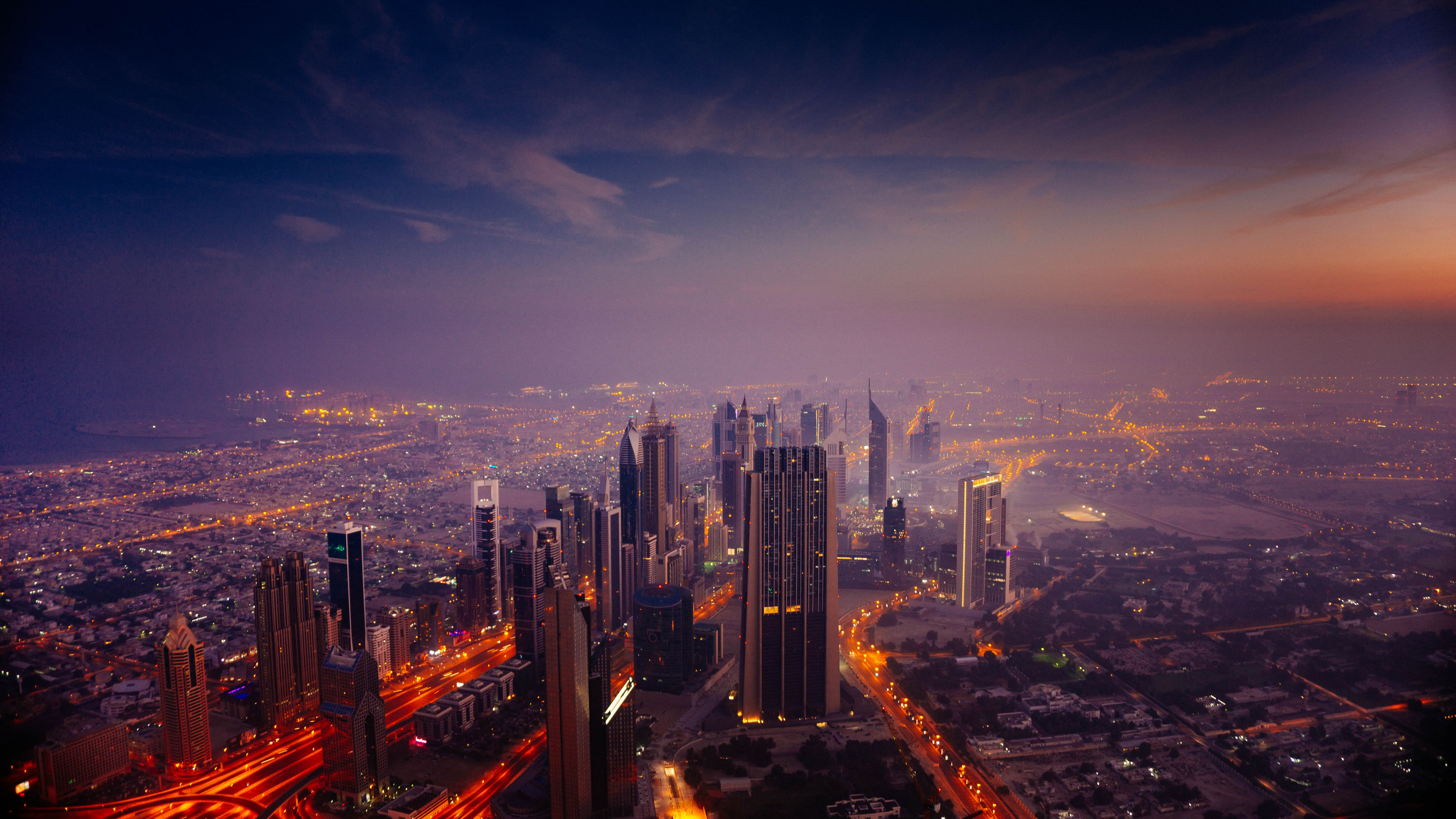
Dubai has solidified its position as a global powerhouse in real estate, blending visionary urban planning with investor-centric policies. The city's skyline, dotted with architectural marvels, reflects its ambition to be a hub for innovation, luxury, and economic diversification. Off-plan properties—units sold before construction completion—have been at the forefront of this growth, accounting for a significant portion of transactions. In 2025, Dubai's real estate market shattered records with over 202,000 residential sales transactions valued at approximately AED 680–700 billion, a 30% year-on-year increase, according to reports from Knight Frank and eToro. Off-plan sales dominated, making up 60–70% of the market share, driven by flexible payment plans and early-entry pricing advantages.
As we enter 2026, the market is transitioning from the speculative momentum of previous years to a more mature, selective phase. While demand remains robust—fueled by population growth projected to reach 5 million by 2029–2030—the influx of new supply could moderate price growth to mid-single digits (5–8% annually). This guide provides an in-depth, balanced overview of off-plan investments in Dubai, incorporating the latest trends, statistics, and strategies to help investors navigate this evolving landscape.
Historical Evolution of Off-Plan Properties in Dubai
The concept of off-plan investing in Dubai traces back to the early 2000s, when the emirate liberalized foreign ownership laws in designated freehold areas. This sparked a boom, with developers like Emaar introducing iconic projects such as Burj Khalifa and Downtown Dubai. Initially, off-plan sales were speculative, but post-2008 global financial crisis, regulatory reforms strengthened buyer protections. The establishment of the Real Estate Regulatory Agency (RERA) in 2007 and mandatory escrow accounts ensured funds were tied to construction milestones, reducing risks of developer defaults.
Defining Off-Plan Properties: The Basics and Beyond
At its core, an off-plan property is a real estate unit purchased directly from the developer during pre-launch or construction phases. Buyers commit based on blueprints, renderings, and promises of future delivery, typically within 2–4 years. In Dubai, this model allows investors to "buy low" and potentially "sell high" as property values appreciate with project progress.
Beyond the basics, off-plan offers layered advantages. For instance, payment plans often extend post-handover—such as 60/40 or 70/30 splits—easing financial burdens. Developers provide detailed sales and purchase agreements (SPAs) outlining timelines, penalties for delays (up to 1% monthly compensation under RERA), and handover standards. In 2026, with economic stability (UAE GDP forecast at +5%), off-plan remains accessible for mid-income buyers, starting from AED 500,000 for studios in areas like Jumeirah Village Circle (JVC).
However, it's not without nuances. Off-plan differs from ready properties in liquidity; secondary market flips are common but incur fees (4% DLD transfer). Investors should note that while escrow protects payments, external factors like material costs can cause minor delays, though regulated grace periods mitigate this.
Why Dubai Stands Out as a Global Off-Plan Leader
Dubai's edge stems from a confluence of factors. Its zero-tax environment on personal income and capital gains attracts high-net-worth individuals (HNWIs), with over 100,000 millionaires residing here by 2025. Strategic location—bridging Europe, Asia, and Africa—enhances connectivity, supported by expansions at Al Maktoum International Airport.
Regulatory transparency is paramount: DLD and RERA oversee all projects, with Oqood registration ensuring legal enforceability from purchase. Escrow accounts, mandatory since 2007, have safeguarded billions, building trust. A robust developer ecosystem—Emaar, DAMAC, Nakheel, Sobha, Azizi, and Danube—delivers consistently, with track records of on-time handovers exceeding 90% in recent years.
Economic drivers include tourism rebound (over 20 million visitors expected in 2026) and population influx (4.6% growth in 2025). Flexible visas, like the 10-year Golden Visa for property owners investing AED 2 million+, further incentivize foreign buyers, who comprised 60% of transactions in 2025.
Compared globally, Dubai outperforms markets like London or New York in yields (7–10% vs. 3–5%) and appreciation, though with higher volatility. In 2026, tech integrations like blockchain tokenization (piloted by developers) could fractionalize ownership, democratizing access.
Key Benefits: From Financial Gains to Lifestyle Perks
Investing off-plan yields multifaceted benefits. Capital Appreciation: Early buyers often see 15–20% gains pre-handover in high-growth areas, though 2026 forecasts temper this to 10–15% due to supply. For example, Dubai South projects have appreciated 35–45% historically, tied to Expo City and airport developments.
Customization Options: Select floor plans, views (e.g., golf course in Dubai Hills), and upgrades like smart fittings. Rental Yields: New builds fetch 7–10% gross, outperforming older properties; a 1-bedroom in Business Bay might rent for AED 100,000 annually.
Low Maintenance: Warranties cover 1–10 years, ideal for absentee landlords. Incentives: Developers offer DLD fee waivers (4%), service charge holidays, or furnishings, adding 5–10% value.
Long-term, off-plan aligns with Dubai's sustainability goals, with projects incorporating green tech for lower utility bills. However, benefits vary: luxury segments (waterfront) yield stability, while mid-market faces supply pressures.
Top Locations: Where to Focus in 2026
Dubai's diverse geography caters to varied preferences.
Downtown Dubai: Iconic, with Burj Khalifa views; off-plan yields 6–8%, driven by tourism.
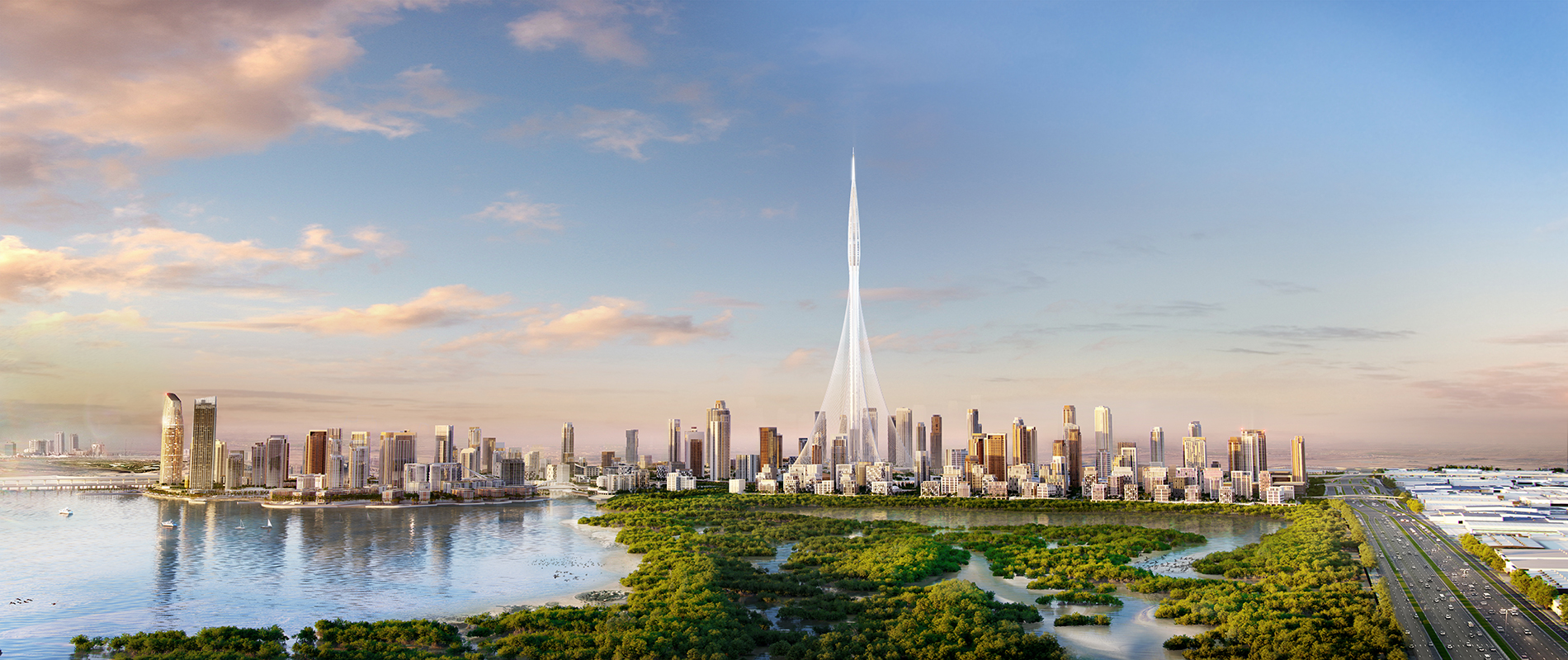
Dubai Creek Harbour: Emaar's eco-luxury hub; waterfront units promise 10–12% appreciation, enhanced by the upcoming Blue Line Metro (30% complete by end-2026, operational 2029).
Dubai Hills Estate: Family-centric with parks and golf; stable 7–9% yields.
Dubai South: Affordable (AED 800–1,200 psf); airport proximity forecasts 15%+ growth, ideal for rentals.
Business Bay & City Walk: Urban vibe for professionals; high occupancy (90%+).
Emerging spots like Dubai Islands top 2026 lists for off-plan, with master-planned amenities. Supply-heavy areas like JVC (11% of under-construction units) may see 5–10% corrections, per Reddit analyses.
Critical Factors and Risks: A Balanced Due Diligence Approach
Before investing, evaluate: Developer Reputation: Opt for RERA-registered with 80%+ completion rates. Location Fundamentals: Assess infrastructure (Metro, schools) and demand drivers.
Financials: Scrutinize payment plans; factor in 4% DLD fees, 2% agency commissions. Risks: Delays (mitigated by RERA penalties), oversupply (100,000+ units in 2026 could pressure mid-market rents by 5–15%), and economic shifts (e.g., oil prices).
Mitigation strategies: Diversify across segments, use RERA's project tracker, and engage certified brokers. For internationals, consider currency fluctuations and financing (mortgages at 3–5% rates for residents).
Innovation: Technology and Sustainability Driving Future Value
2026 off-plan projects emphasize smart and green features. AI-integrated homes offer app-controlled systems, predictive maintenance, and energy optimization, reducing costs by 20%. Sustainability includes solar panels, green roofs, and EV charging, aligning with Dubai's Green Mobility Strategy 2030.
Blockchain tokenization allows fractional ownership, lowering entry barriers to AED 100,000. Data analytics platforms provide ROI forecasts, enhancing decision-making.
Legal Framework: Robust Protections for Peace of Mind
Dubai's laws prioritize buyers: Escrow ensures milestone-based fund release; Oqood registers contracts digitally. RERA monitors progress quarterly, with public reports. Disputes resolve via Dubai Real Estate Court, often within months.
For internationals, freehold ownership is straightforward, with no inheritance taxes. Golden Visa adds residency perks.
2026 Market Outlook: Moderation Amid Resilience
Post-2025's boom (AED 682.5 billion total value, 214,912 transactions per some reports), 2026 signals normalization. Price growth slows to 5–8%, with selective cooling in mid-tier apartments due to supply (64,000 units). Luxury and villas remain strong, buoyed by HNWIs.
Demand persists from population (5% annual growth) and tourism. Off-plan stays dominant (63–70% share), with early 2026 data showing AED 64.4 billion November sales (49% YoY up). No crash expected, but 10–15% corrections in oversupplied zones like JVC.
Positive drivers: Mega-projects (Blue Line, airport), GDP growth, and tech adoption.
Investment Strategies and Tips for Success in 2026
Strategies: Focus on prime locations for resilience; aim for 3–5 year holds. Use data tools for analytics. For flips, target pre-handover secondary sales.
Tips:
- Partner with RERA brokers for market intel.
- Analyze payment breakdowns tied to milestones.
- Visit sales centers; virtual tours suffice for internationals.
- Budget for ongoing fees (AED 10–20 psf service charges).
- Monitor DLD dashboards and reports from Knight Frank/Fitch.
- Diversify: Mix off-plan with ready for balanced portfolios.
- Consider financing: Banks offer up to 50% LTV for non-residents.
Case Study: A 2023 off-plan investment in Dubai Creek yielded 25% appreciation by 2025 handover, per industry anecdotes.
Why Off-Plan Appeals to Global Investors
Off-plan embodies Dubai's ethos: forward-looking, inclusive. It offers tax-free gains, visa benefits, and diversification amid global uncertainties. With yields outpacing inflation and supply absorption by demand, it's a wealth-building tool.
Conclusion: Seizing Opportunities in Dubai's Evolving Market
Dubai's off-plan sector represents more than investment—it's participation in a city's transformation. In 2026, amid moderated growth and increased supply, opportunities abound for discerning investors. By prioritizing due diligence, quality developers, and resilient locations, off-plan can deliver sustainable returns. Always consult professionals; the market's transparency empowers informed decisions. As Dubai eyes 2030 milestones, off-plan remains a gateway to its prosperous future.